Global
18/25
✅ Available
Natural
Interactive 3D Model
🖱️ Drag to rotate · Scroll to zoom · The model auto-rotates
Ecological health index (0–25)
About Ant
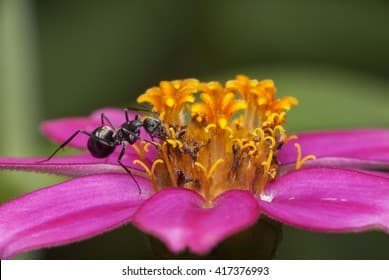
Ants are often overlooked as pollinators, but certain species play a surprisingly important role in plant reproduction, especially in arid and semi-arid environments. While ants lack the fuzzy bodies of bees that make them efficient pollen carriers, they frequently visit flowers for nectar and in doing so can transfer pollen between blooms. Some plants have even evolved to specifically attract ant pollinators with low-growing flowers and accessible nectar rewards. Ant pollination (myrmecophily) is particularly significant for ground-level and prostrate plants where flying pollinators may be less frequent visitors.
Habitat
Present in almost all terrestrial ecosystems, especially soils, path edges and gardens.
Conservation
Ant pollinator guilds receive an estimated Araihan Measure of 18/25: high local efficiency and strong ecological interdependence.
Did You Know?
Some desert plants rely almost exclusively on ants for pollination
Ants secrete antimicrobial substances that can actually reduce pollen viability in some cases
There are over 22,000 known species of ants worldwide
Ant colonies can contain millions of individuals all working together