Proveneya & Nahiara · Updated Friday, October 9, 2026
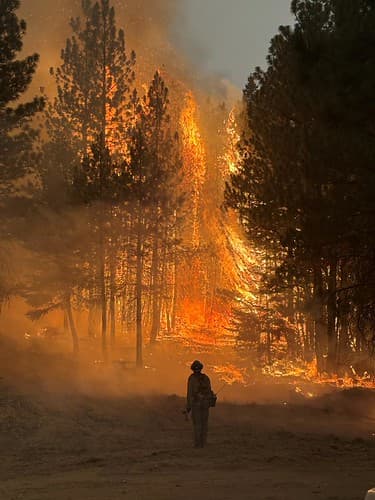
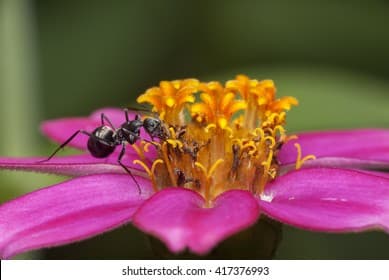
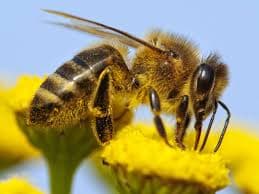
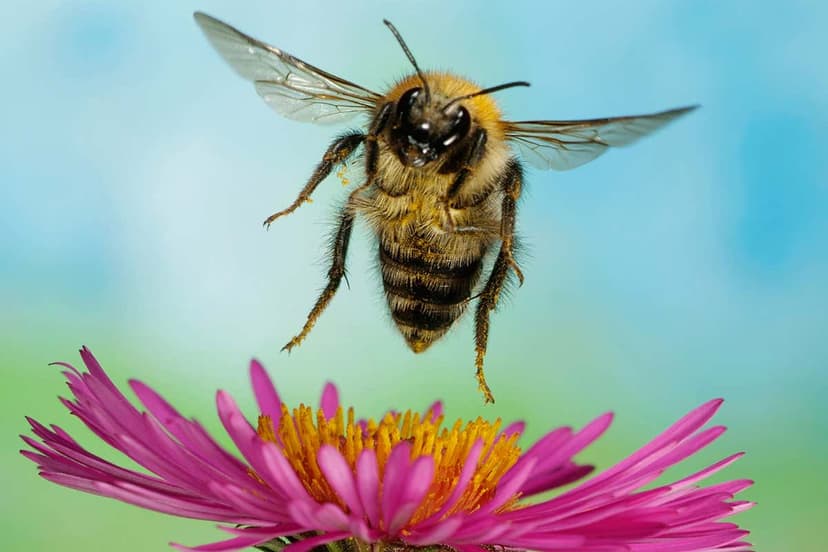
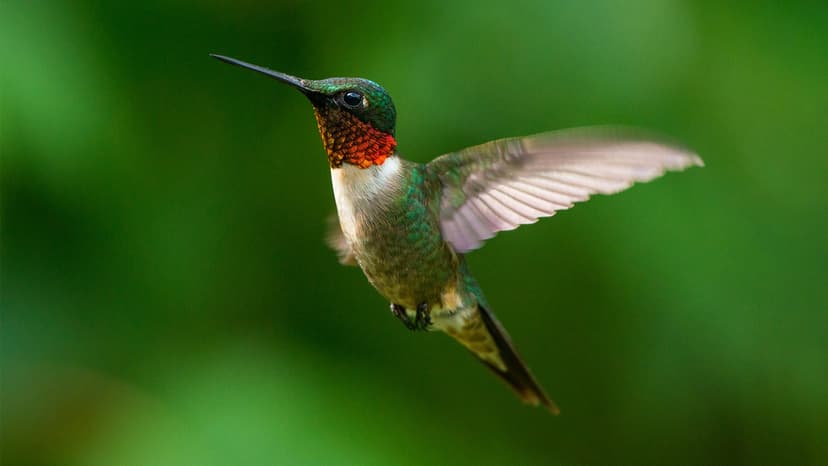
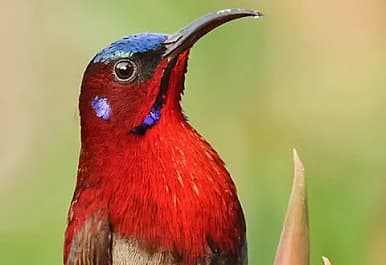
Wildfires 2026 — daily update. Pollinators are victims too — and they deserve to be counted. They are the great unknown of these fires, absent from the reporting. PDF report · Word
View the daily update
Europe
Africa
Asia
North America
- North America · GWIS burned area to 1 Aug 2026: 6,804,905 ha (6.1% of the reported world total).
- United States · GWIS to 1 Aug 2026: 2,371,207 ha (2.1%).
- Canada · GWIS to 1 Aug 2026: 2,031,754 ha (1.8%).
- Canada · NIFC's official seasonal outlook (14 Sep 2026): about 4.49 million ha across 5,132 fires, near the 10-year average.
- United States · NIFC (2 Oct 2026): 9,000,619 acres (about 3.64 million ha) in 62,738 fires; the 10-year average is 6,106,514 acres.
South America
- South America · GWIS burned area to 1 Aug 2026: 7,813,377 ha (7.0% of the reported world total).
- Venezuela · GWIS to 1 Aug 2026: 2,977,466 ha (2.7%).
- Brazil · GWIS to 1 Aug 2026: 2,030,209 ha (1.8%).
- Bolivia · GWIS to 1 Aug 2026: 546,490 ha (0.5%).
- Brazil (Amazonas) · INPE counted 2,384 hotspots from 1–19 Sep 2026, 282% above the 624 in the same period of 2025 (via BNC Amazonas).
- Bolivia · about 2,538 ha in Otuquis National Park; more fires were reported in Santa Cruz and Tarija, with no national total found (20 Jul 2026).
Oceania
Data notes
Each figure links to its cited source.