Global
20/25
❌ Not available
Natural
Ecological health index (0–25)
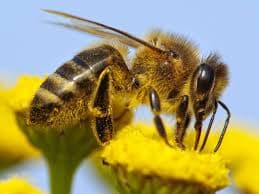
About Honeybee
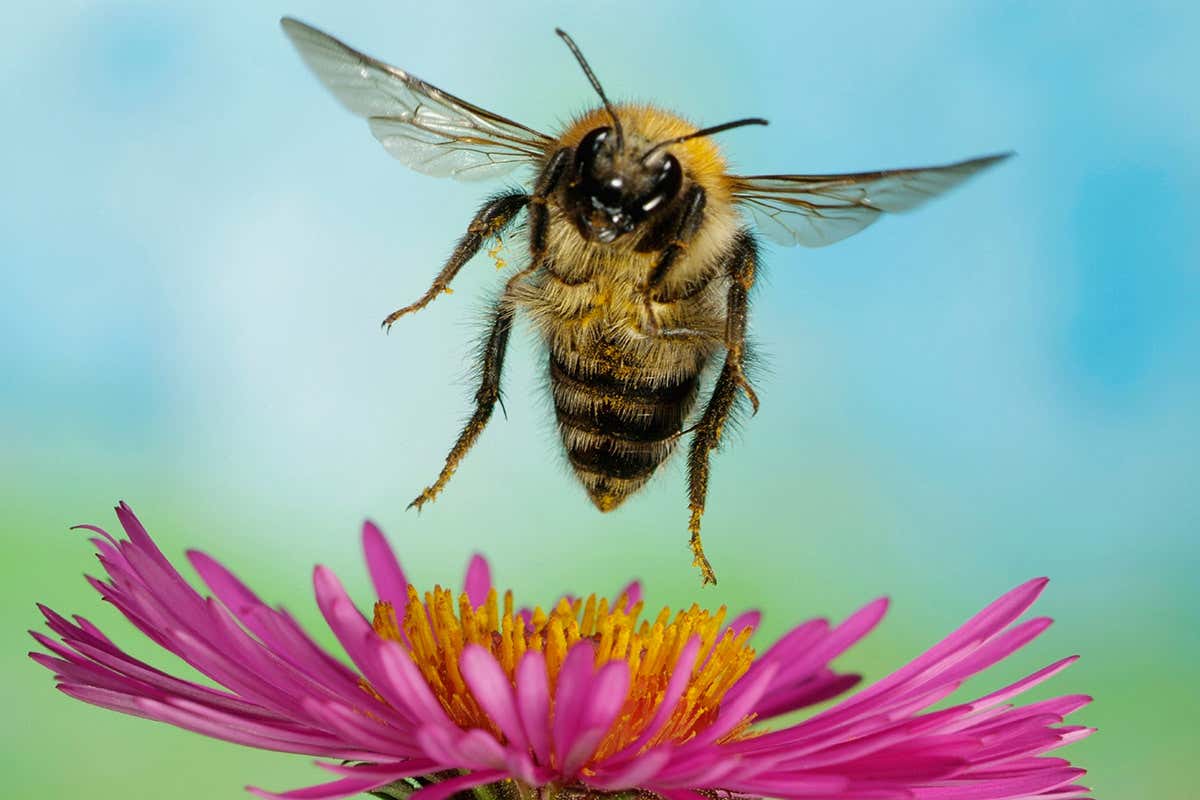
The Western honeybee (Apis mellifera) is arguably the single most important pollinator species for global agriculture. A single colony can contain 20,000 to 80,000 bees, and foragers may visit up to 5,000 flowers in a single day. Honeybees demonstrate remarkable communication through their famous 'waggle dance,' which conveys the direction and distance of food sources to nestmates. They practice floral constancy — tending to visit the same type of flower on each foraging trip — which makes them exceptionally efficient pollinators.
Habitat
Found worldwide in diverse habitats, from forests to urban gardens, wherever flowering plants grow.
Conservation
Honeybee populations face significant threats from pesticides, habitat loss, climate change, and diseases. Araihan Measure: 20 / 25 (Declining).
Did You Know?
A single bee colony can pollinate 300 million flowers each day
Honeybees fly at speeds of up to 25 km/h and can travel up to 8 km from the hive
They communicate through the 'waggle dance' to share location of food sources
A honeybee visits 50 to 1,000 flowers in one trip and makes 10 trips per day