Africa, Asia, Australia
21/25
❌ Not available
Natural
Ecological health index (0–25)
About Sunbird
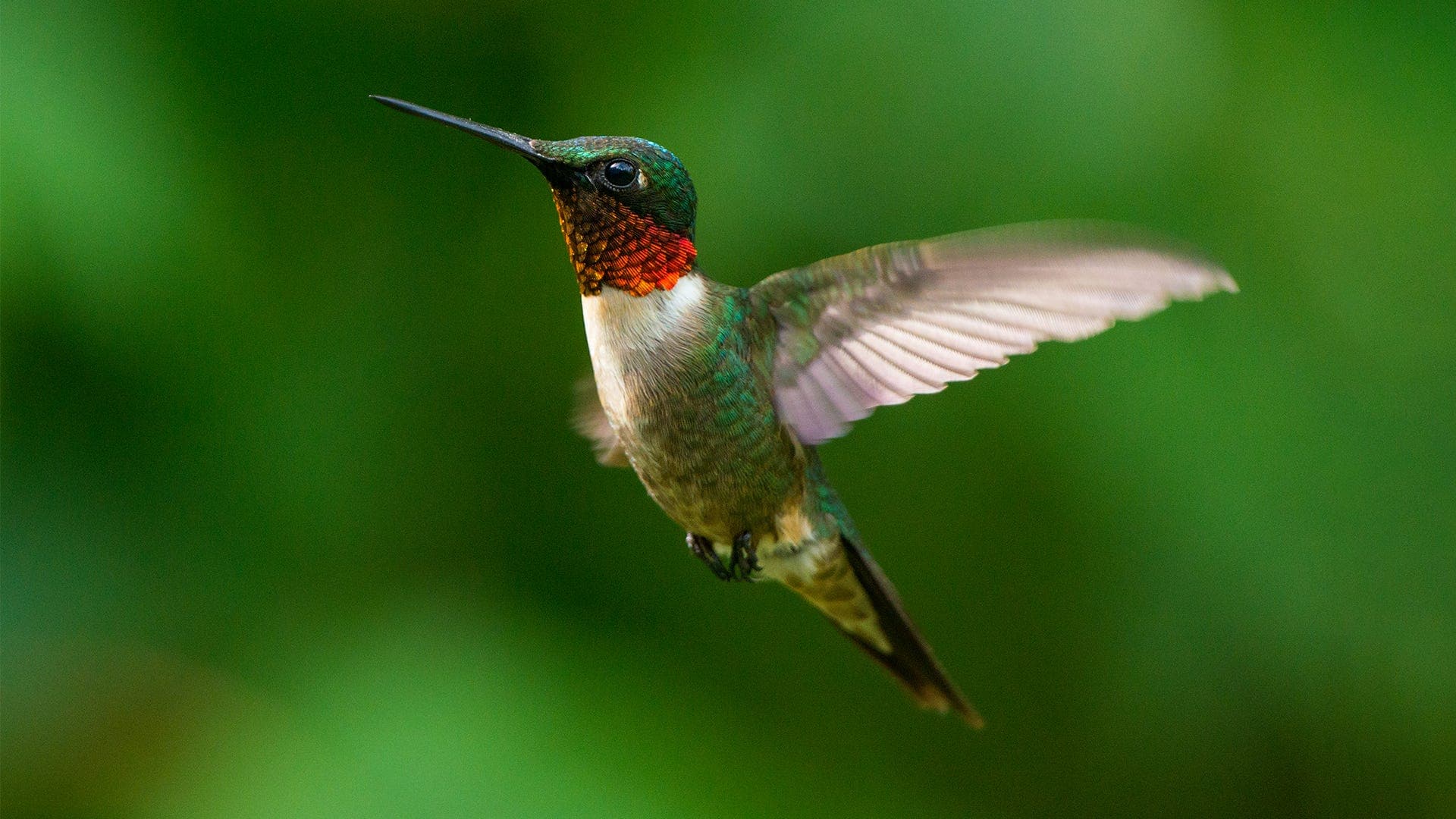
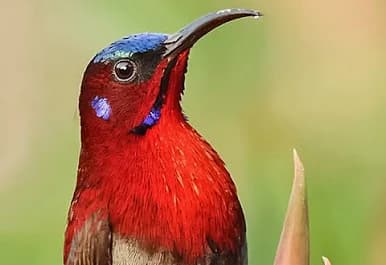
Sunbirds are the Old World ecological counterparts of hummingbirds, filling the niche of nectar-feeding avian pollinators across Africa, Asia, and Australasia. With over 140 species in the family Nectariniidae, they display stunning iridescent plumage in males, with colors ranging from emerald green to deep purple and fiery orange. Unlike hummingbirds, most sunbirds cannot hover for extended periods and instead perch on flowers while feeding, though some species can hover briefly. Their curved bills and tubular tongues are perfectly adapted for extracting nectar from tubular flowers. Sunbirds play a crucial ecological role in pollinating native plants such as aloes, proteas, and many tropical flowering species. They are also important indicators of ecosystem health, as their populations respond quickly to habitat changes.
Habitat
Tropical and subtropical regions of Africa, Asia, and Australia, in forests, gardens, and open areas with flowering plants.
Conservation
Sunbird populations are generally stable but face threats from habitat destruction. Araihan Measure: 21 / 25 (Stable).
Did You Know?
There are over 140 species of sunbirds worldwide
Male sunbirds have iridescent plumage that appears to change color in different light
They are the Old World equivalent of hummingbirds
Some species can hover briefly, though most perch while feeding
Their tubular tongues can extend far beyond their bill tip!