Proveneya & Nahiara · Updated Friday, August 14, 2026

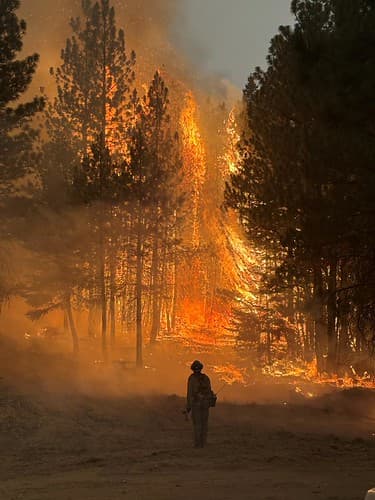
Wildfires 2026 — daily update. Pollinators are victims too — and they deserve to be counted. They are the great unknown of these fires, absent from the reporting.

View the daily update

Europe

  • Spain - 207,000-217,609 ha burned in 2026 (EFFIS); six times the same period in 2025. A new Andalusia front has affected over 25,000 ha of perimeter, with 650 evacuated and 300 firefighters deployed.
  • Croatia - A fire near Omis, one of the country's worst, burned 900-1,000 ha; 1 person died, 36-40 were injured and over 2,000 people were evacuated.
  • Germany - A 300 ha Hürtgenwald fire near Belgium is still spreading; 1,800 people were evacuated and unexploded WWII ordnance complicates the response.
  • Greece - Attica is at the maximum level-5 alert. The Boeotia fire burned 10,000 ha and prompted over 1,000 evacuations; another front in Rethymno, Crete remains critical.
  • France - A new Landes fire burned 1,100 ha, with 500 evacuated and 500 firefighters deployed. National burned area is 98,000-116,000 ha, a record in 20 years of satellite measurement.
  • United Kingdom and Albania - A Stourbridge fire damaged homes; Albania is also affected by the current fire wave.
  • Portugal - The Viseu fire burned about 13,000 ha; at peak, 39 fires were active nationwide.
  • Italy - Estimates range from 40,000 to more than 100,000 ha; Sicily and Calabria are the worst-hit areas.
  • European Union - 457,459 ha burned through July 29 (EFFIS), 32% above the historical average. More than 300,000 people were evacuated or confined in France and Spain during July.

Africa

  • Algeria - At the July 18 peak, 154 fires were declared in 24 hours; 6 people died and about 150 homes were affected in Annaba.

Asia

  • Turkey - About 95,000 ha burned, seven times the 2008-2020 historical average for this time of year.
  • Russia (Siberia) - About 600,000 ha burned in 2026; 84,356 ha were active at peak in Krasnoyarsk, Yamalo-Nenets and Irkutsk.

North America

  • Canada - 3,848 fires and 2.92 million ha burned since January; Thunder Bay 36 in Ontario has burned 314,000 ha and remains uncontained.
  • United States - Fire alert raised to maximum level.

South America

  • Ecuador - Seven fires were active and four controlled on August 11. The Cotacachi-Cayapas reserve fire has burned at least 300 ha of paramo; over 4,000 ha burned nationally in early August.
  • Brazil - 1.76 million ha burned in 2026, with 4,682 fire events; risk is expected to increase from August to October.

Oceania

  • Australia - The southern-summer season has passed; January burned more than 400,000 ha in Victoria. There is no significant activity now.

Global context

Sources: MITECO, EFFIS/Copernicus, French Interior Ministry, Portuguese and Italian Civil Protection, Algerian Civil Protection, Turkish Meteorological Service, Russian Federal Forest Agency, CIFFC, GWIS/Brazil Ministry of Environment, Ecuador SNGR/ECU 911, AFAC/NEMA, Reuters, France 24, CNN, Greenpeace Spain, NOAA, Copernicus Marine Service.

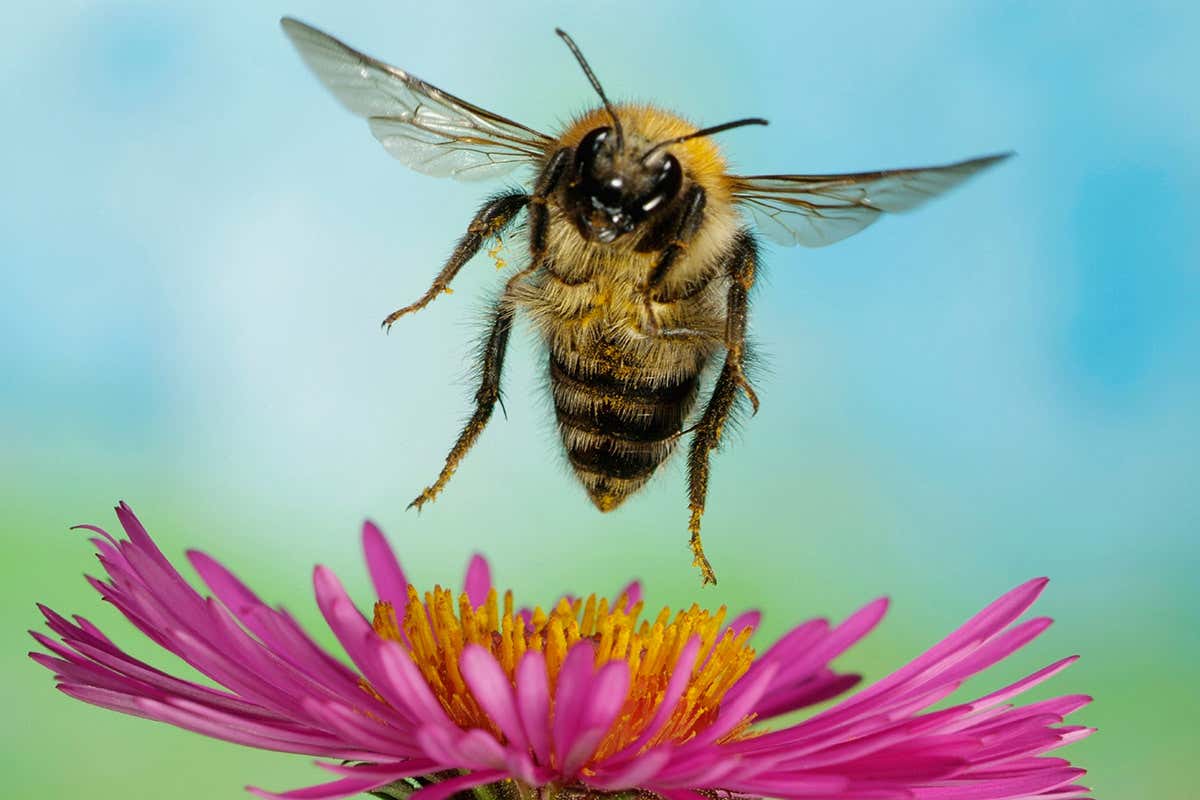
Bumblebee
Back to Gallery
🐝Bees & AntsStable to Declining

Bumblebee

Bombus terrestris

Region

Europe, Asia, North America

Araihan Score

19/25

3D Model

❌ Not available

Type

Natural

Araihan Measure19/25

Ecological health index (0–25)

About Bumblebee

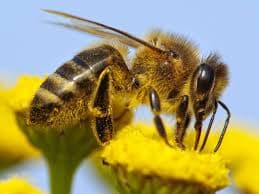
Bumblebees are powerhouse pollinators distinguished by their large, fuzzy bodies and their unique ability to perform 'buzz pollination' (sonication). By rapidly vibrating their flight muscles while clinging to a flower, they can shake loose pollen from flowers that other pollinators cannot access — this technique is essential for tomatoes, peppers, blueberries, and cranberries.

Habitat

Temperate regions, grasslands, meadows, and gardens with abundant flowering plants.

Conservation

Many bumblebee species are declining due to habitat loss and pesticide use. Araihan Measure: 19 / 25 (Stable to Declining).

Did You Know?

1

Bumblebees can fly in temperatures as low as 10°C, when most other bees cannot

2

They use 'buzz pollination' to shake pollen loose from stubborn flowers

3

A bumblebee's wings beat 200 times per second

4

Only the mated queen survives winter — she starts the entire colony anew each spring

5

They have smelly feet! They leave a chemical scent on flowers they've visited.
Explore More Pollinators