North America, Europe, Asia
19/25
✅ Available
Natural
Interactive 3D Model
🖱️ Drag to rotate · Scroll to zoom · The model auto-rotates
Ecological health index (0–25)
About Hummingbird Moth
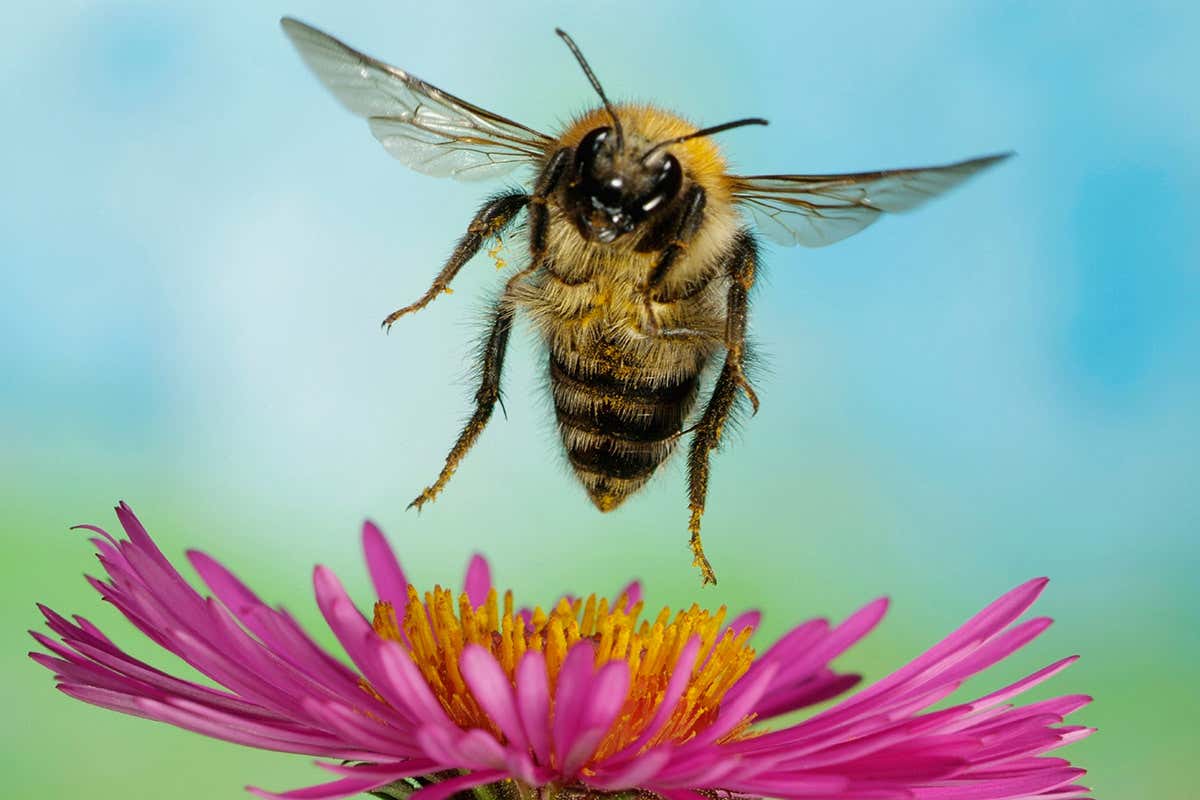
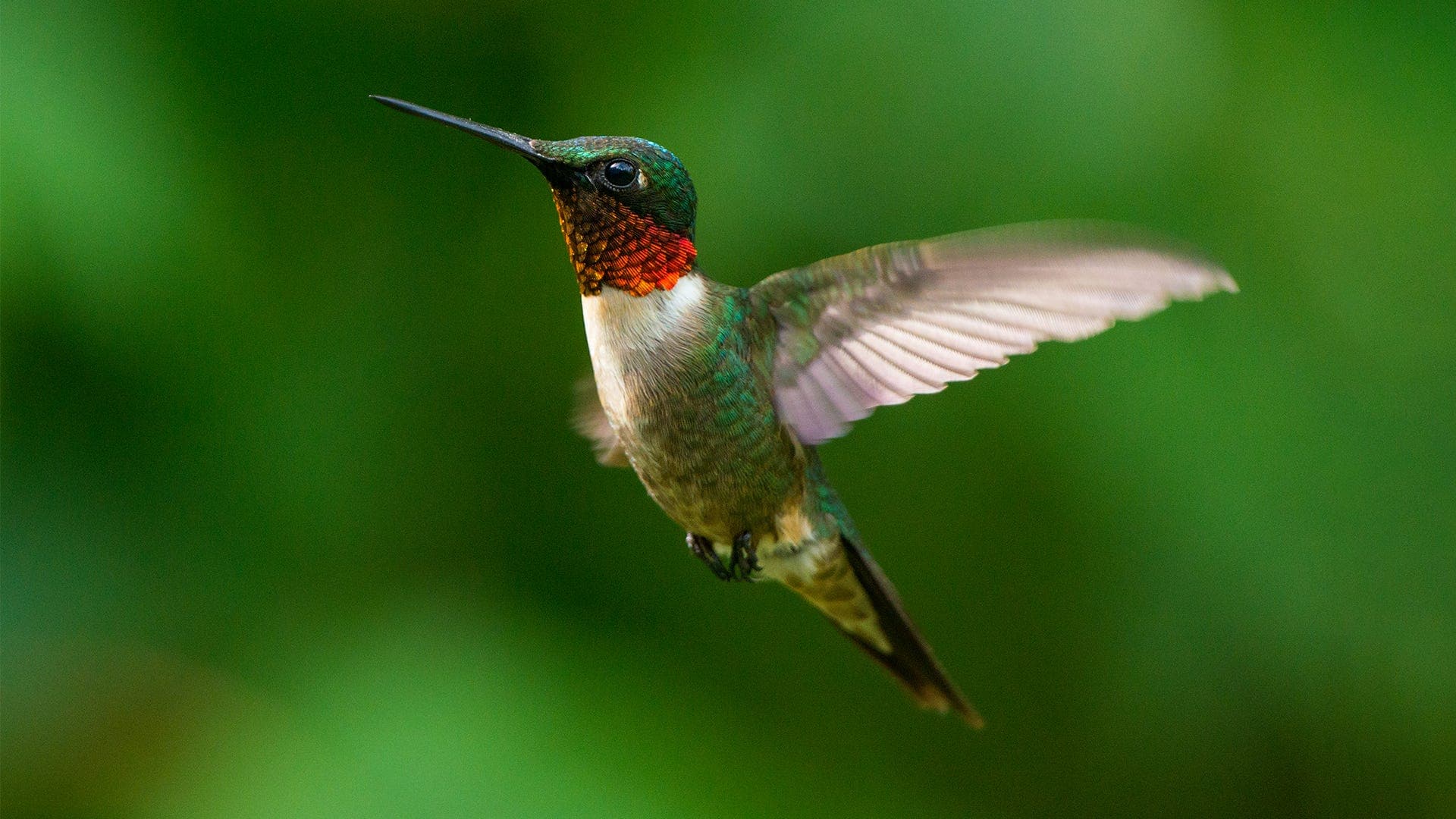
Hummingbird moths (genus Hemaris) are among nature's most convincing mimics, so closely resembling hummingbirds in flight that they routinely fool experienced birdwatchers. These hawk moths hover in front of flowers with audible wingbeats, probing deep tubular blooms with their long proboscis. Unlike most moths, hummingbird moths are diurnal (day-active) and have partially transparent wings that give them a distinctive appearance. They are extremely efficient pollinators for deep-throated flowers like honeysuckle, bee balm, phlox, and verbena. Their hovering flight allows them to visit flowers that lack landing platforms, and their long proboscis enables access to nectar reserves beyond the reach of many other pollinators. The Hummingbird Hawk-moth (Macroglossum stellatarum) can reach speeds of 18 km/h and has excellent color vision.
Habitat
Gardens, meadows, and open areas with abundant flowering plants. Found in temperate regions worldwide.
Conservation
Hummingbird moth populations are generally stable but face threats from habitat loss and pesticide use. Araihan Measure: 19 / 25 (Stable).
Did You Know?
They are so convincing that they regularly fool experienced birdwatchers
Unlike most moths, they are active during the day
They can reach flight speeds of 18 km/h
Their wings are partially transparent, giving them a unique appearance